

Cultural significance of casinos in modern society

Cultural significance of casinos in modern society
Historical Context of Casinos
The concept of casinos has evolved significantly over the centuries, transforming from private gaming houses in ancient civilizations to lavish establishments in modern society. Historically, gambling can be traced back to various cultures, including the Chinese, Greeks, and Romans, each contributing to the tradition of games of chance. Casinos began to emerge in Europe during the 17th century, with Venice’s Ridotto being one of the first public gambling houses. This establishment set the stage for the popularity of gambling as a leisure activity, illustrating its long-standing place in human culture, particularly for enthusiasts looking to try their luck at https://fortislots.uk/.

As the 20th century approached, casinos grew in prominence, especially in regions like Las Vegas, where the establishment of large-scale resorts became synonymous with entertainment. These venues combined gambling with various amenities such as fine dining, shows, and nightlife, creating a multifaceted cultural hub. The evolution of casinos reflects societal changes, with gambling becoming more accepted and integrated into mainstream entertainment, shifting perceptions from taboo to a form of leisure enjoyed by many.
The historical significance of casinos also ties into economic factors, as they became substantial sources of revenue for local governments. This financial incentive has led to a more extensive acceptance of casinos in various regions, spurring economic development in areas previously deemed unsuitable for such enterprises. Thus, the historical trajectory of casinos illustrates a broader narrative of social acceptance and economic growth, highlighting their enduring importance in modern society.
Social Interaction and Community Building
Casinos serve as social spaces where individuals from diverse backgrounds come together, fostering community and interaction. The vibrant atmosphere within casinos encourages mingling and socializing, providing a unique environment where friendships can blossom. This social aspect is critical, as it allows individuals to bond over shared experiences, whether it’s a thrilling game of poker or the excitement of a slot machine. Such interactions contribute to a sense of belonging and camaraderie among patrons.
Furthermore, casinos often host events and tournaments that bring people together for a common cause, enhancing community ties. These events can range from charity fundraisers to competitive gaming tournaments, promoting unity among participants. The communal experience of gambling can also be a powerful catalyst for discussions on broader societal issues, illustrating how casinos can transcend mere entertainment to become platforms for community engagement and support.
While some may critique gambling as an individualistic pursuit, the reality is that casinos encourage socialization and collective experiences. The relationships forged within these environments can lead to lasting connections, whether they are friendships, partnerships, or even local support networks. By facilitating such interactions, casinos contribute to the cultural fabric of society, reinforcing the importance of community in a modern, fast-paced world.
Economic Impact and Tourism
The economic significance of casinos cannot be overstated, as they serve as major drivers of tourism and local economies. In many regions, especially those known for their gambling venues, casinos attract millions of visitors each year. This influx not only boosts the gambling industry but also significantly impacts associated sectors such as hospitality, retail, and transportation. Local businesses often thrive due to the increased foot traffic that casinos generate, illustrating the interconnected nature of the economy.
Moreover, the employment opportunities created by casinos contribute to economic stability for many communities. From gaming staff to hotel workers and entertainers, the job market surrounding casinos is expansive. This employment not only provides livelihoods for thousands but also fosters skill development and career advancement in various fields, from hospitality management to event planning. In this way, casinos play a vital role in regional economic health.
Additionally, casinos often engage in corporate social responsibility initiatives, contributing to local charities and community projects. Many establishments allocate a portion of their revenues to support educational programs, healthcare initiatives, and infrastructure development, further solidifying their role as responsible community partners. The economic contributions of casinos, paired with their commitment to social responsibility, enhance their cultural significance in modern society.
Entertainment and Cultural Reflection
Beyond gambling, casinos are multifaceted entertainment hubs that reflect cultural trends and societal values. They host a variety of performances, from live music and comedy shows to theatrical productions, making them integral to the entertainment landscape. This diversification allows casinos to cater to a wide audience, ensuring that they remain relevant in an ever-changing entertainment industry. As a result, casinos are not just places for gambling but cultural venues that contribute to the arts and entertainment scene.
The architecture and design of casinos also reflect cultural influences and aspirations. Lavishly designed interiors often showcase local art and culture, making casinos a canvas for regional identity. The thematic elements incorporated into casino design—ranging from opulent decor to culturally inspired motifs—can serve as reflections of societal values, aspirations, and trends, allowing visitors to experience a sense of place and community.
Additionally, the evolution of casino entertainment continues to mirror societal shifts, adapting to changing consumer preferences and technological advancements. The rise of digital gaming and online casinos represents a new frontier in the gambling industry, reflecting the growing integration of technology in leisure activities. This adaptability underscores the cultural significance of casinos as they evolve to meet the needs and desires of contemporary society.
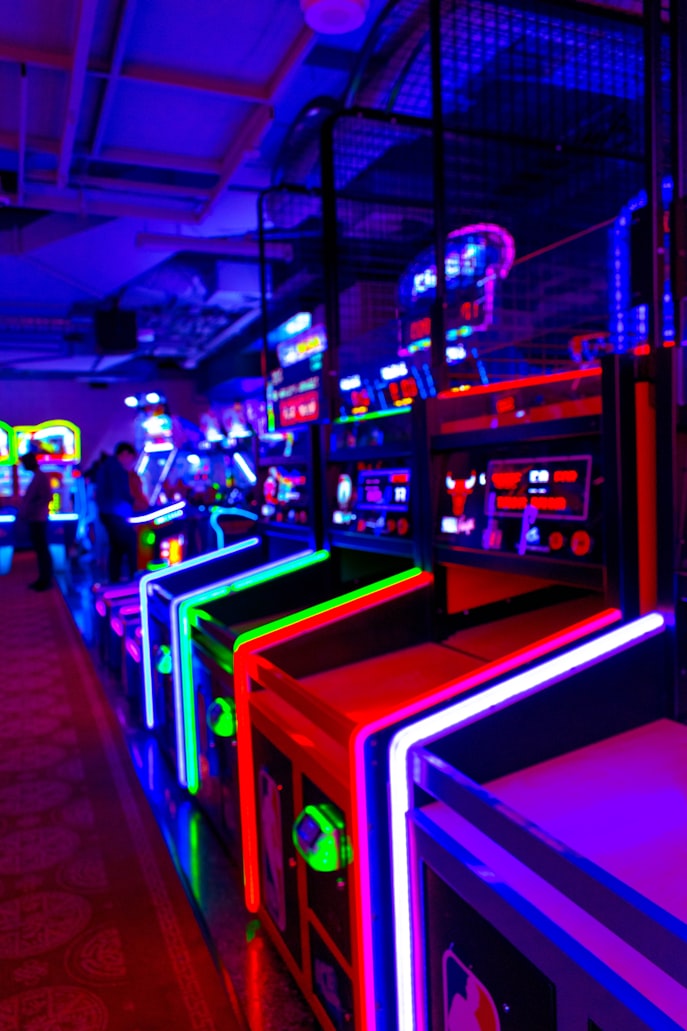
Fortislots: A Modern Casino Experience
Fortislots exemplifies the modern approach to casinos, merging traditional gaming with innovative technology. As a crypto-friendly online casino, it offers players a vast array of thrilling slot games from over 80 renowned providers, catering to both casual gamers and high rollers. The platform prioritizes user experience, ensuring seamless navigation and quick payments, which are essential in today’s fast-paced digital landscape. This focus on user-centric design enhances player satisfaction and engagement.
New players are welcomed with a generous bonus package, which not only incentivizes participation but also reflects the competitive nature of the online gaming industry. This strategy is indicative of how modern casinos are adapting to attract a broader audience, embracing the shift towards online gaming while maintaining an engaging environment. By offering significant promotions and a user-friendly experience, Fortislots positions itself as a top choice for online gaming enthusiasts.
Moreover, Fortislots’ commitment to transparency and security emphasizes the importance of trust in the online gambling space. By creating a safe environment for players aged 18 and above, it fosters responsible gaming practices and builds a community based on respect and integrity. As the landscape of gambling continues to evolve, platforms like Fortislots highlight the cultural significance of casinos in contemporary society by blending tradition with innovation.